Material + Craft on Site
A selection of details from site, looking at the materials and pieces of work that are often most interesting before the building is complete.
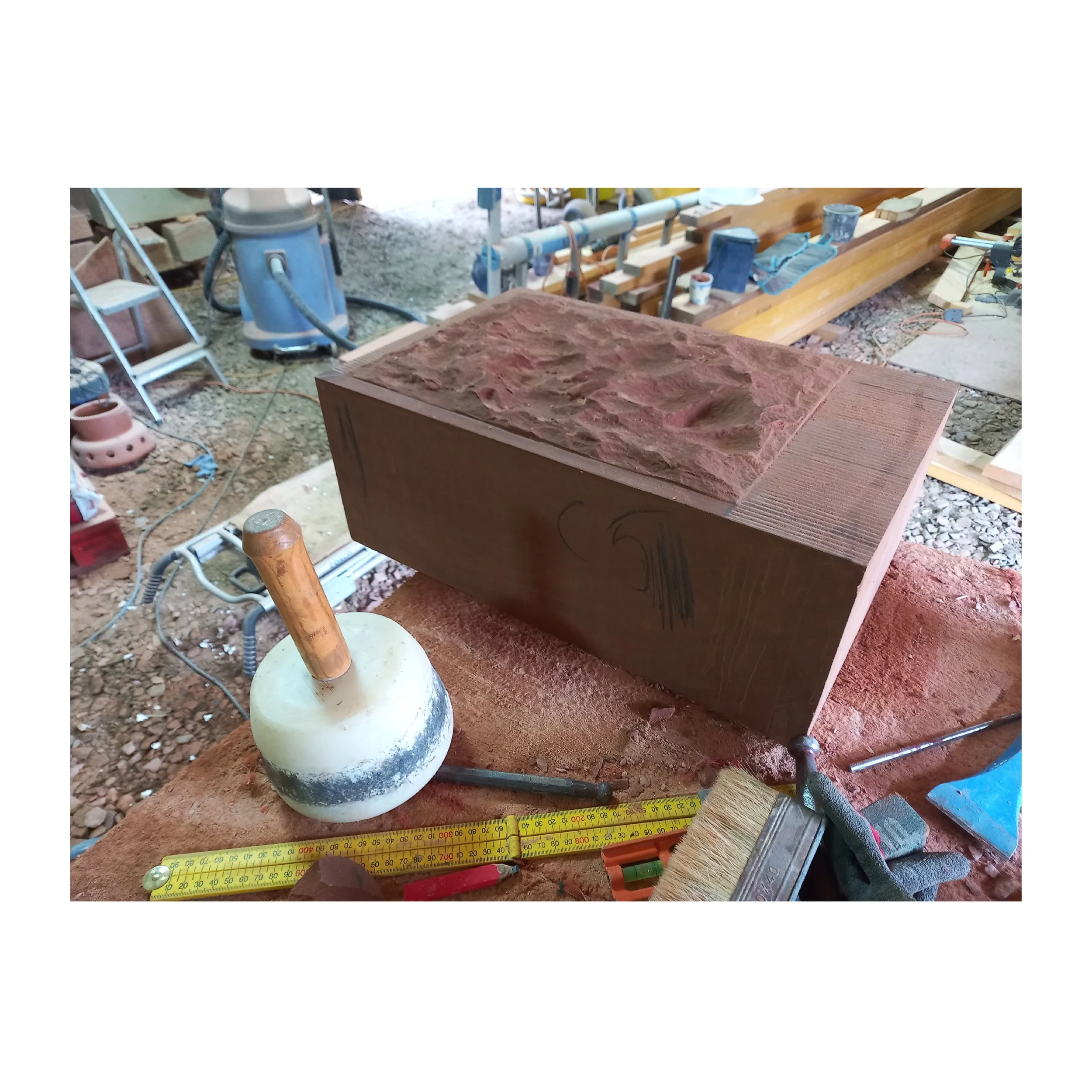
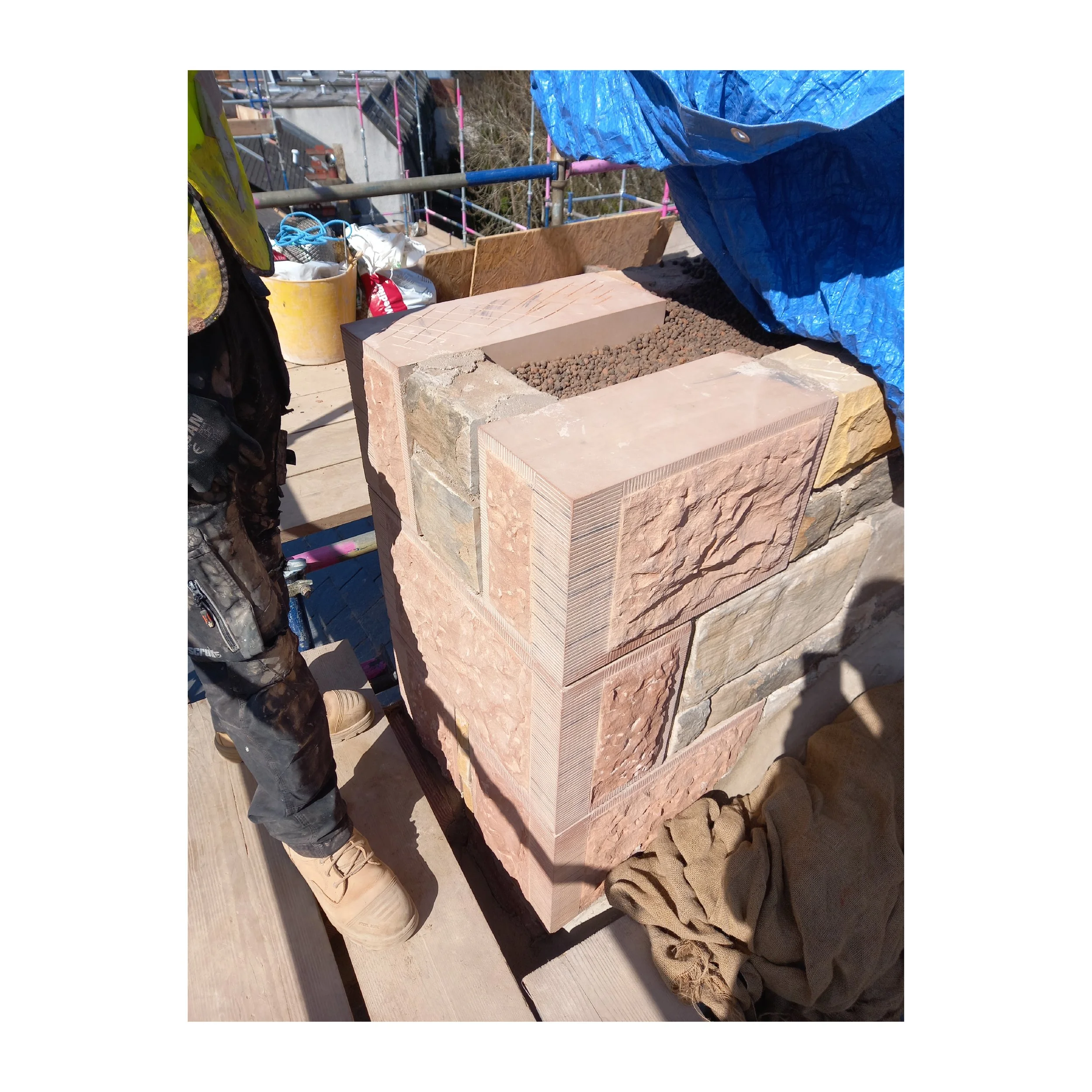
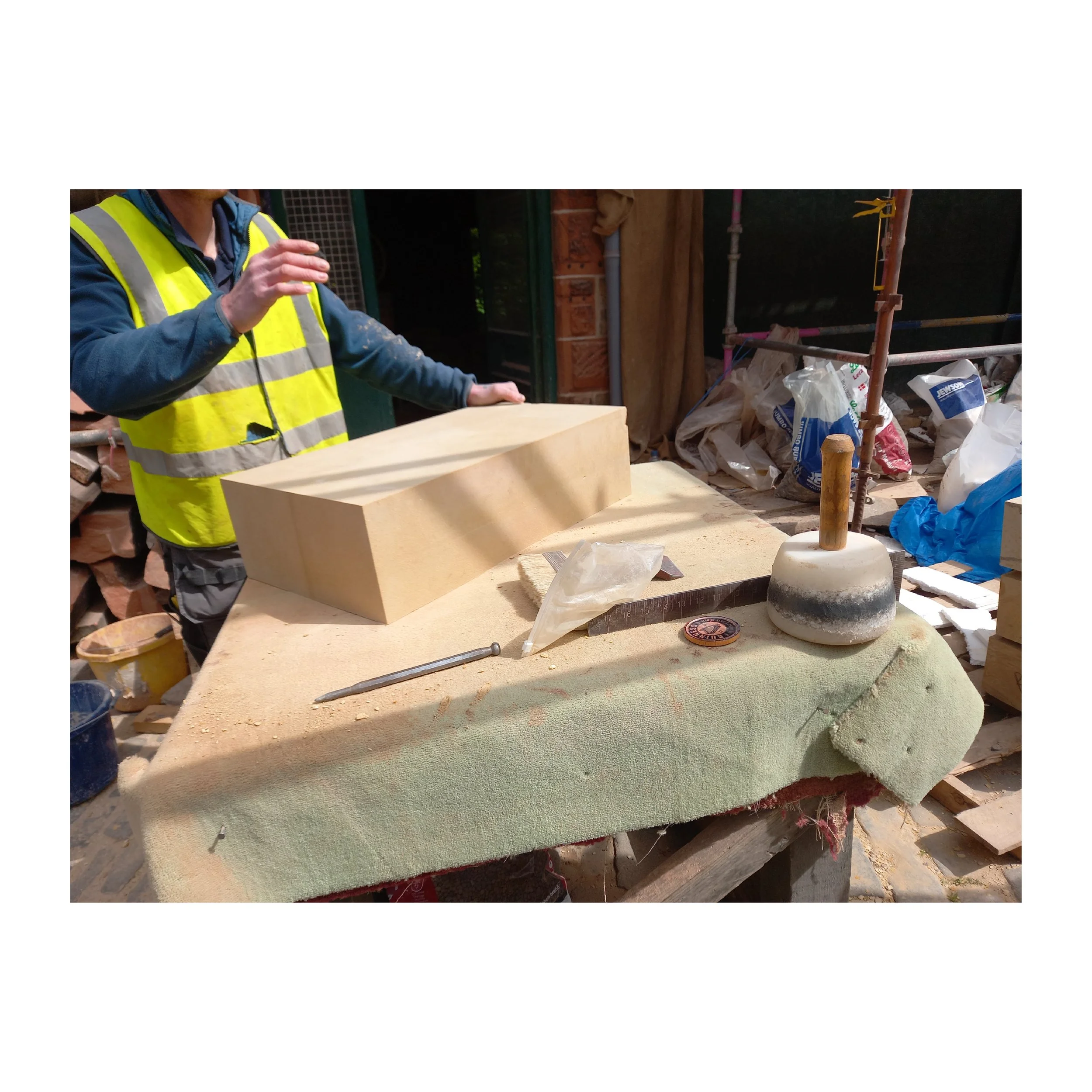
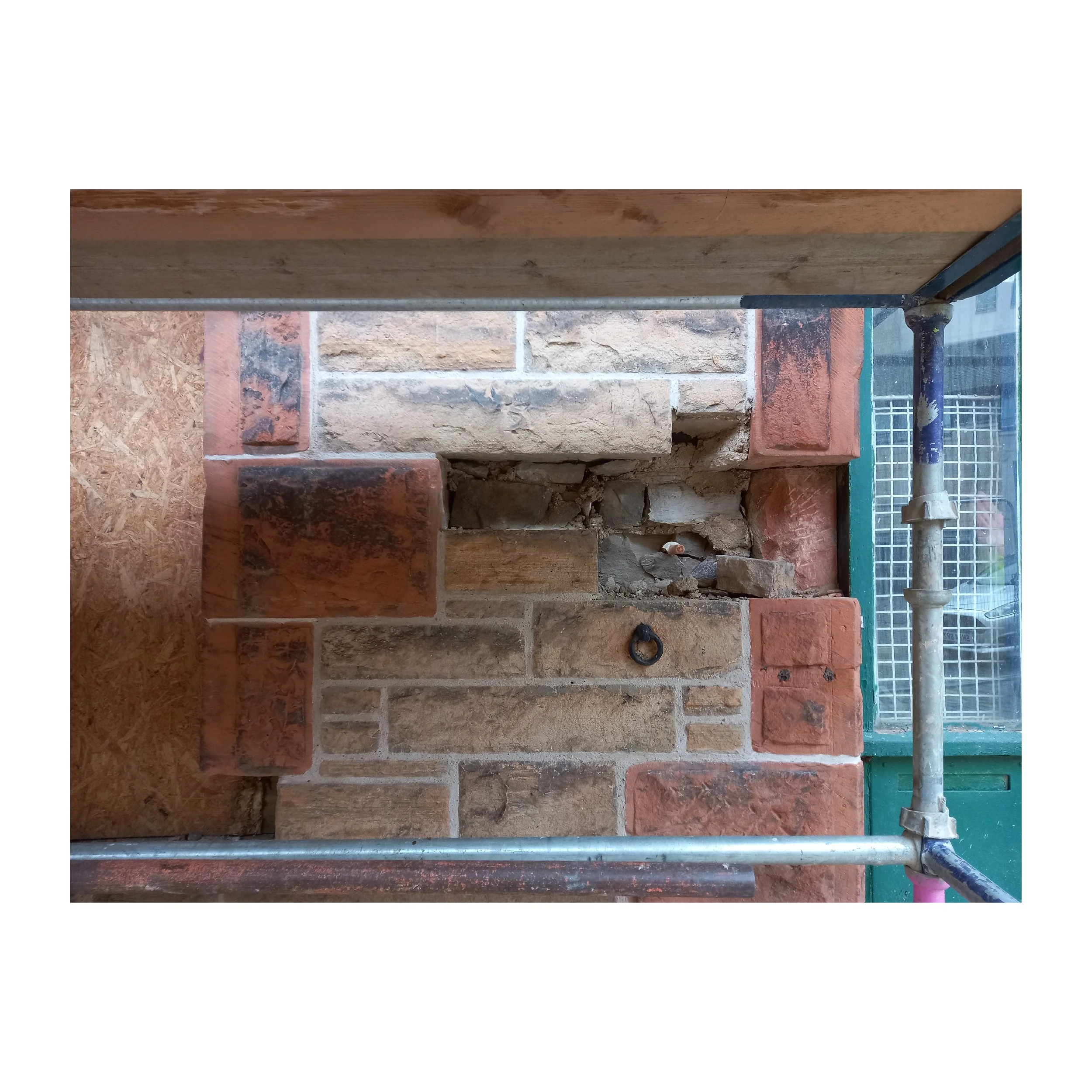
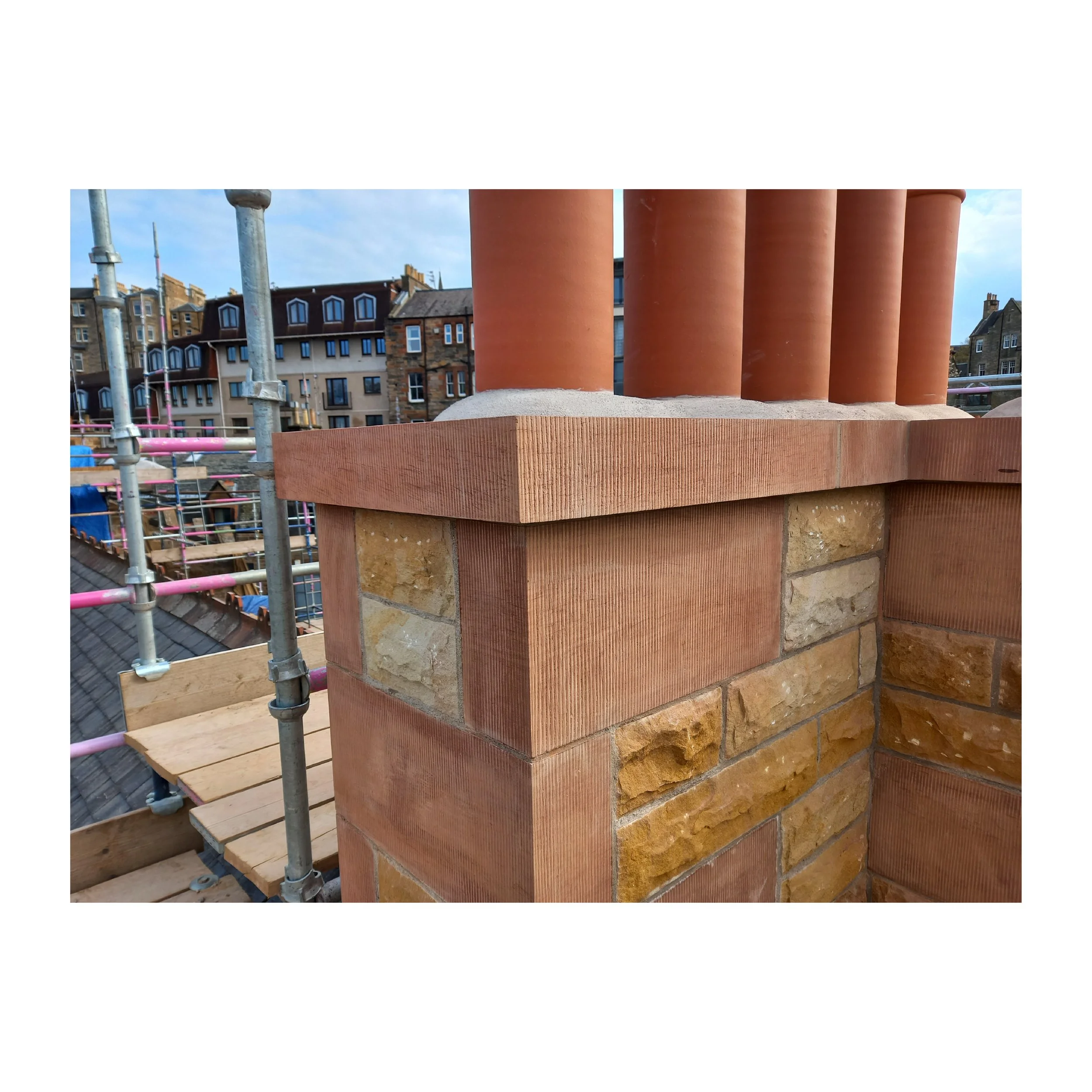
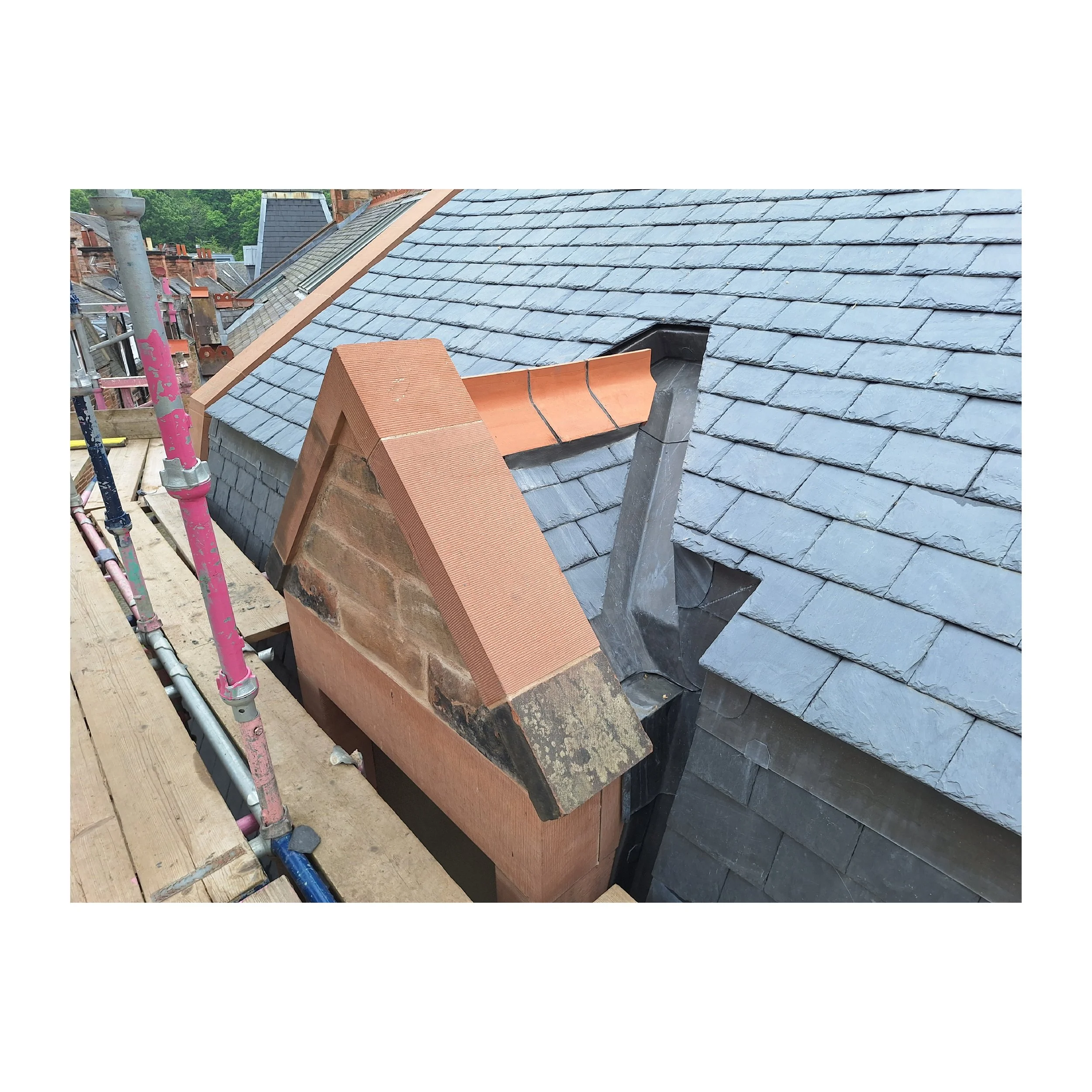
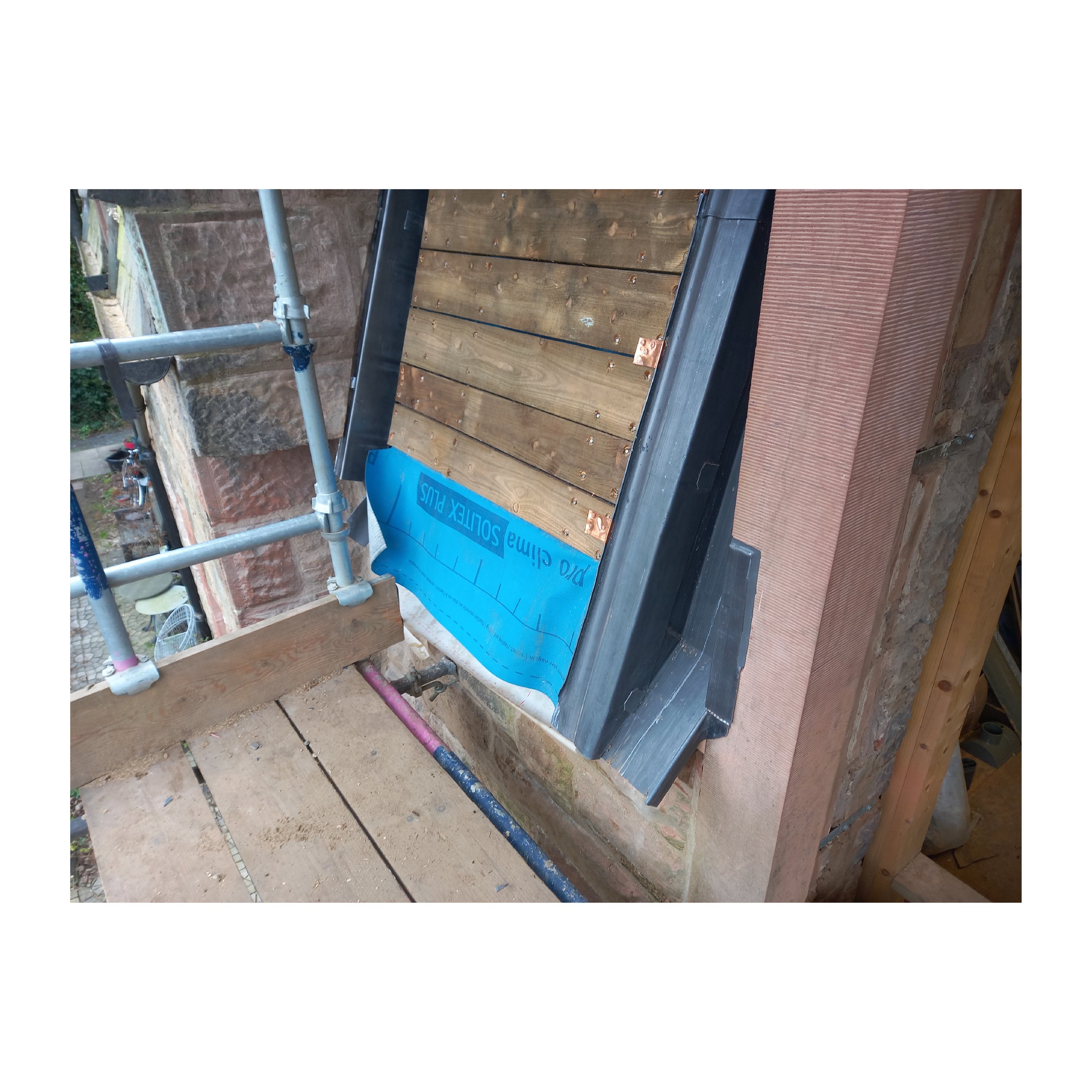
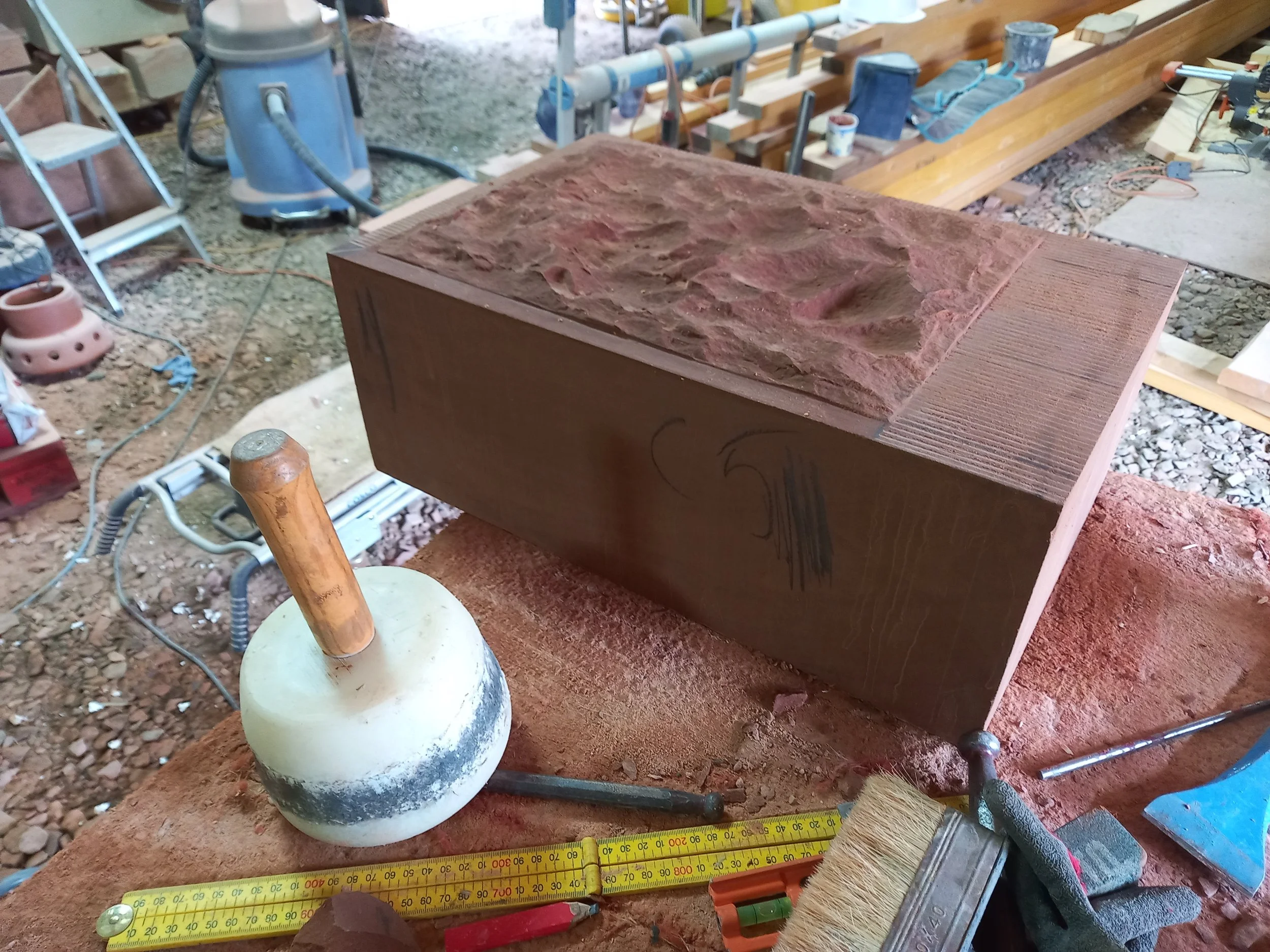
On existing buildings, new work rarely arrives as a perfectly standard component. Stone has to be selected, cut and tooled to sit convincingly beside existing masonry; copings and chimney dressings need to follow established profiles; and roof junctions are shaped around structures that have already moved and changed over many decades.
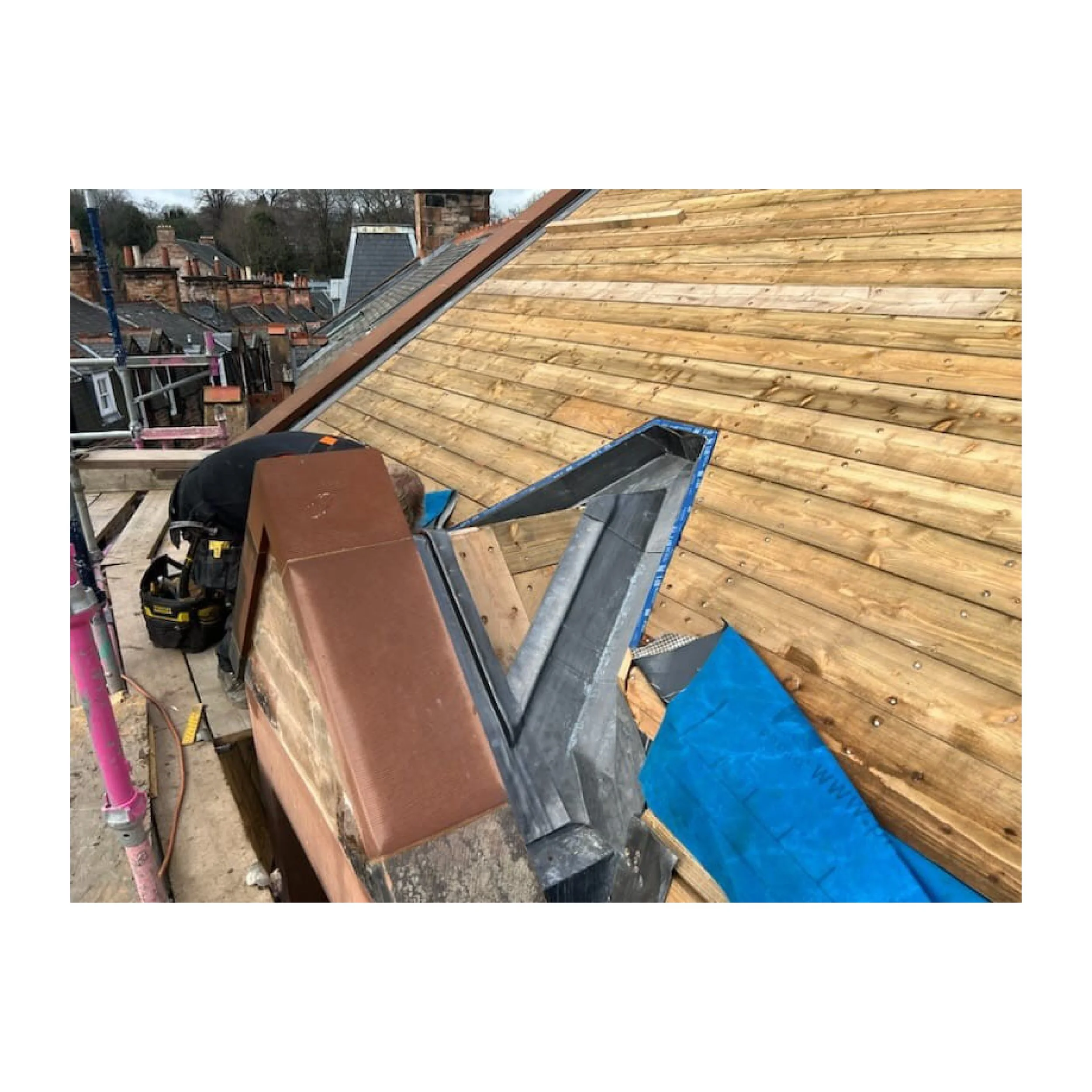
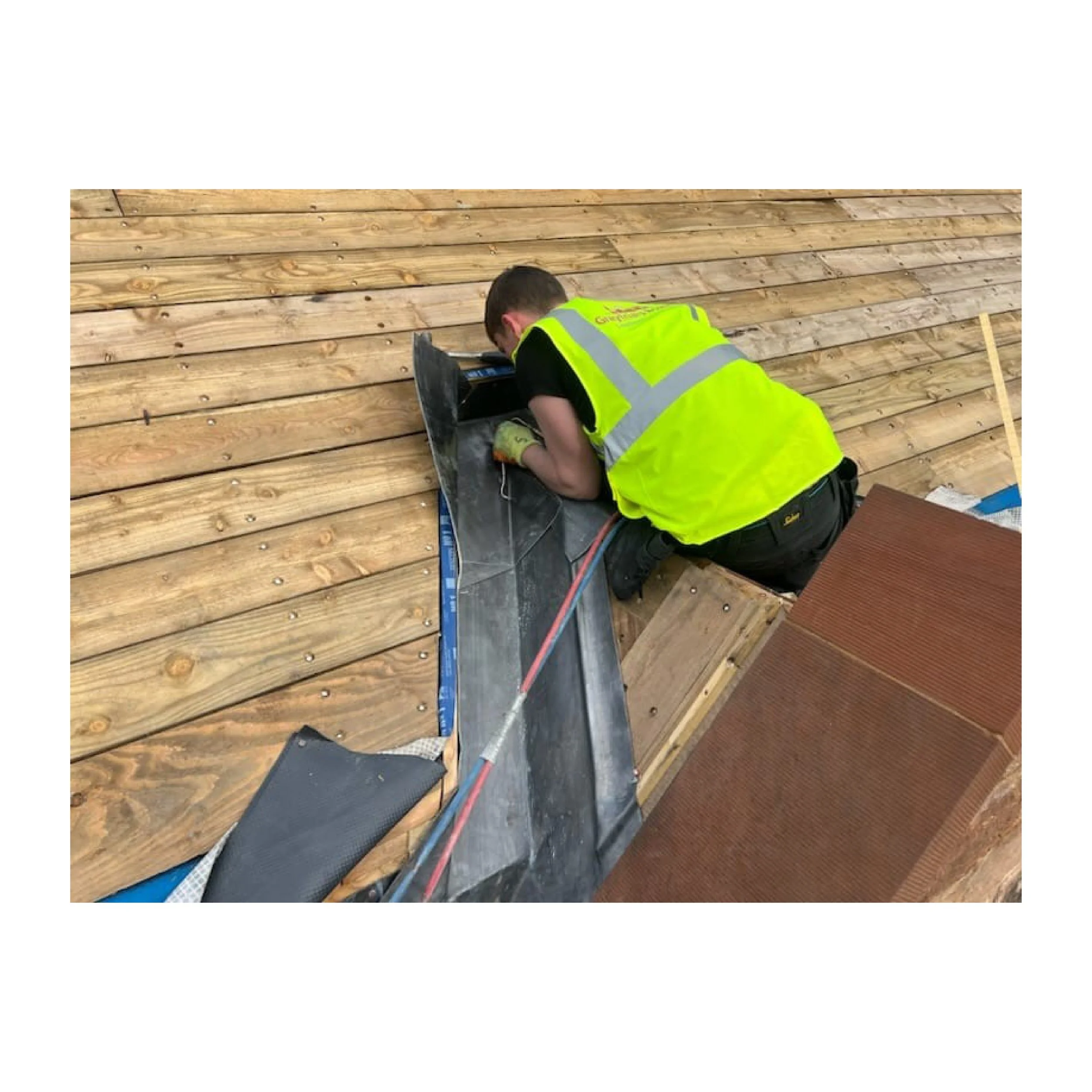
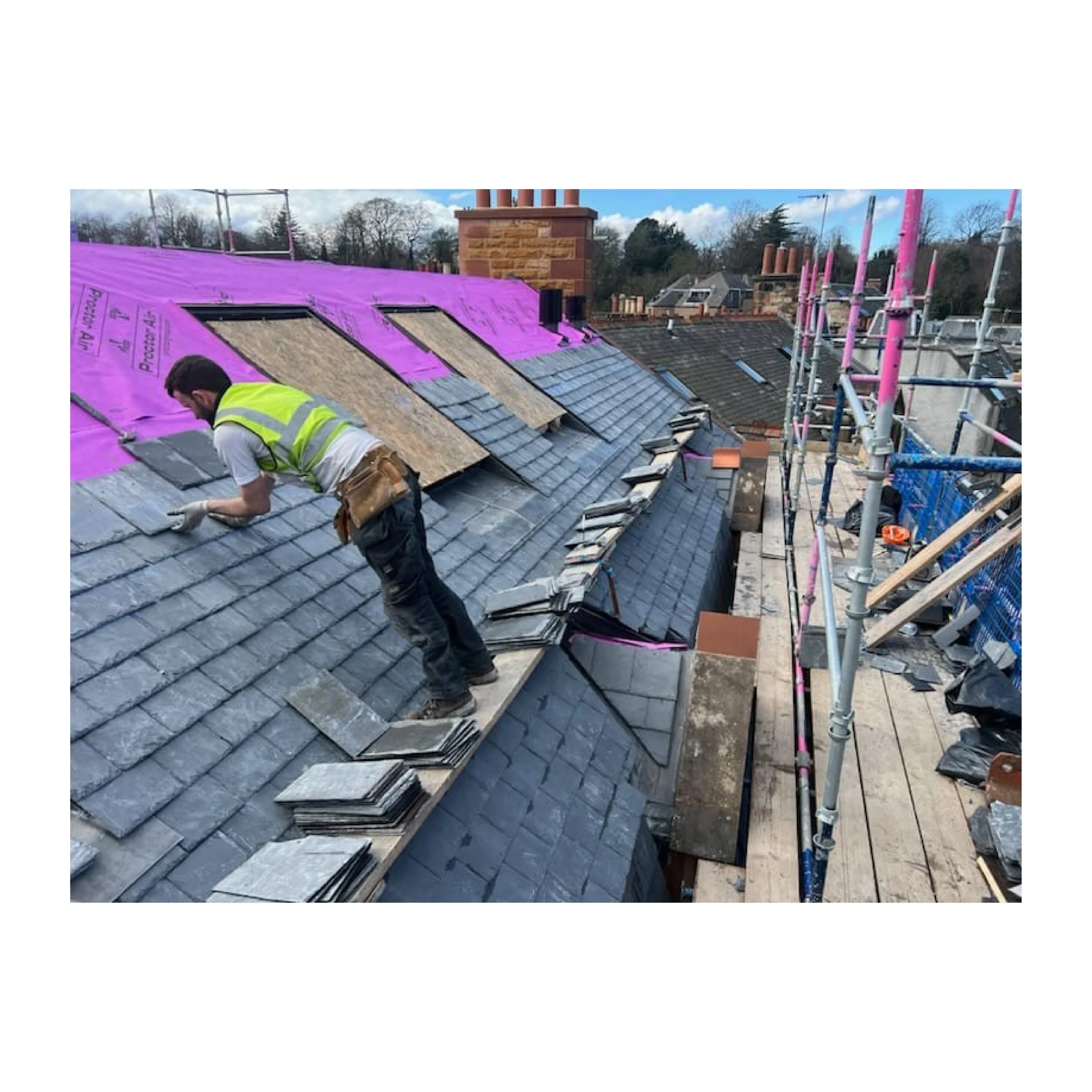
Natural slate and leadwork are particularly dependent on the skill of the people installing them. The finished roof may read as a simple continuous surface, but around dormers, valleys and abutments it is assembled through a series of carefully formed pieces, each responding to the geometry around it.
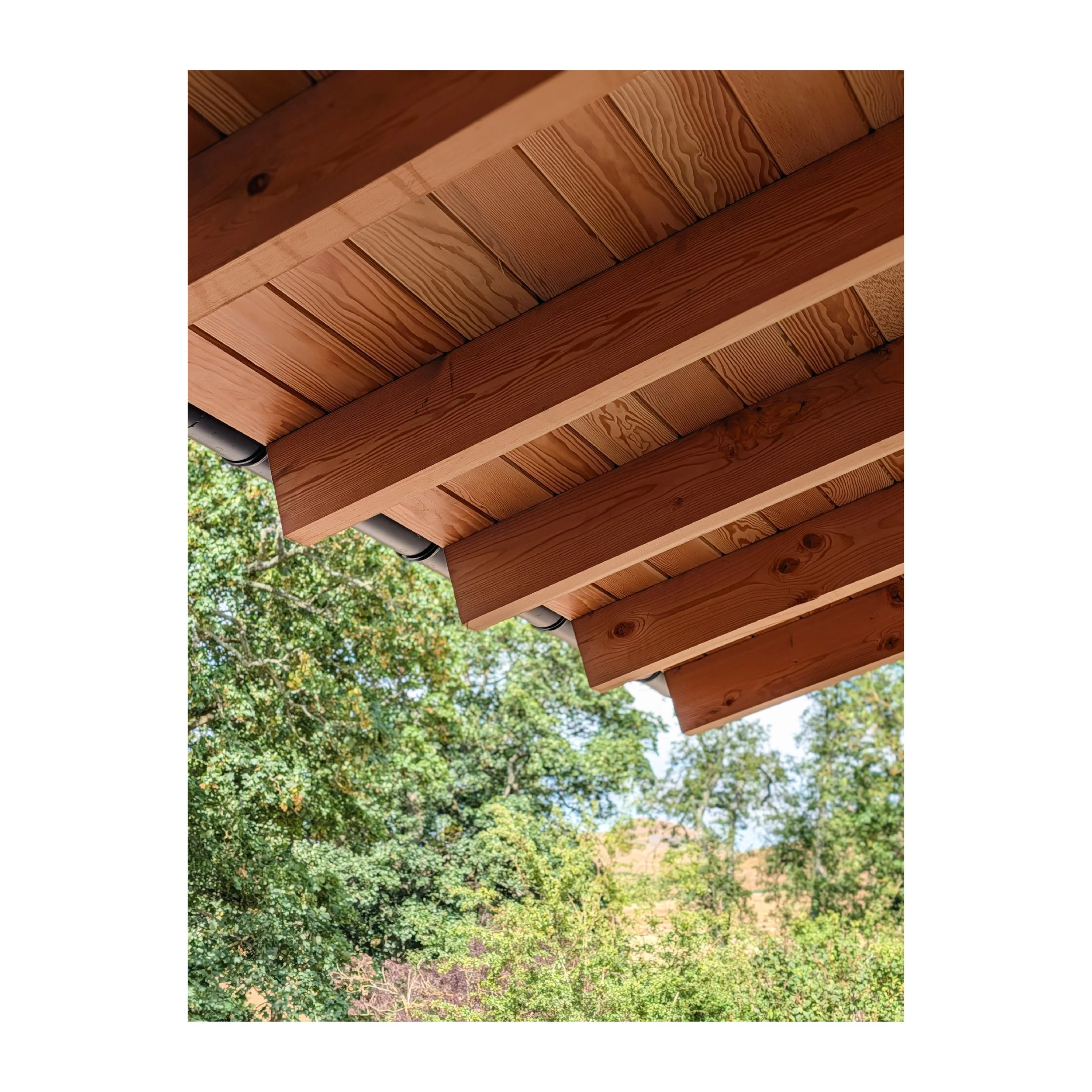
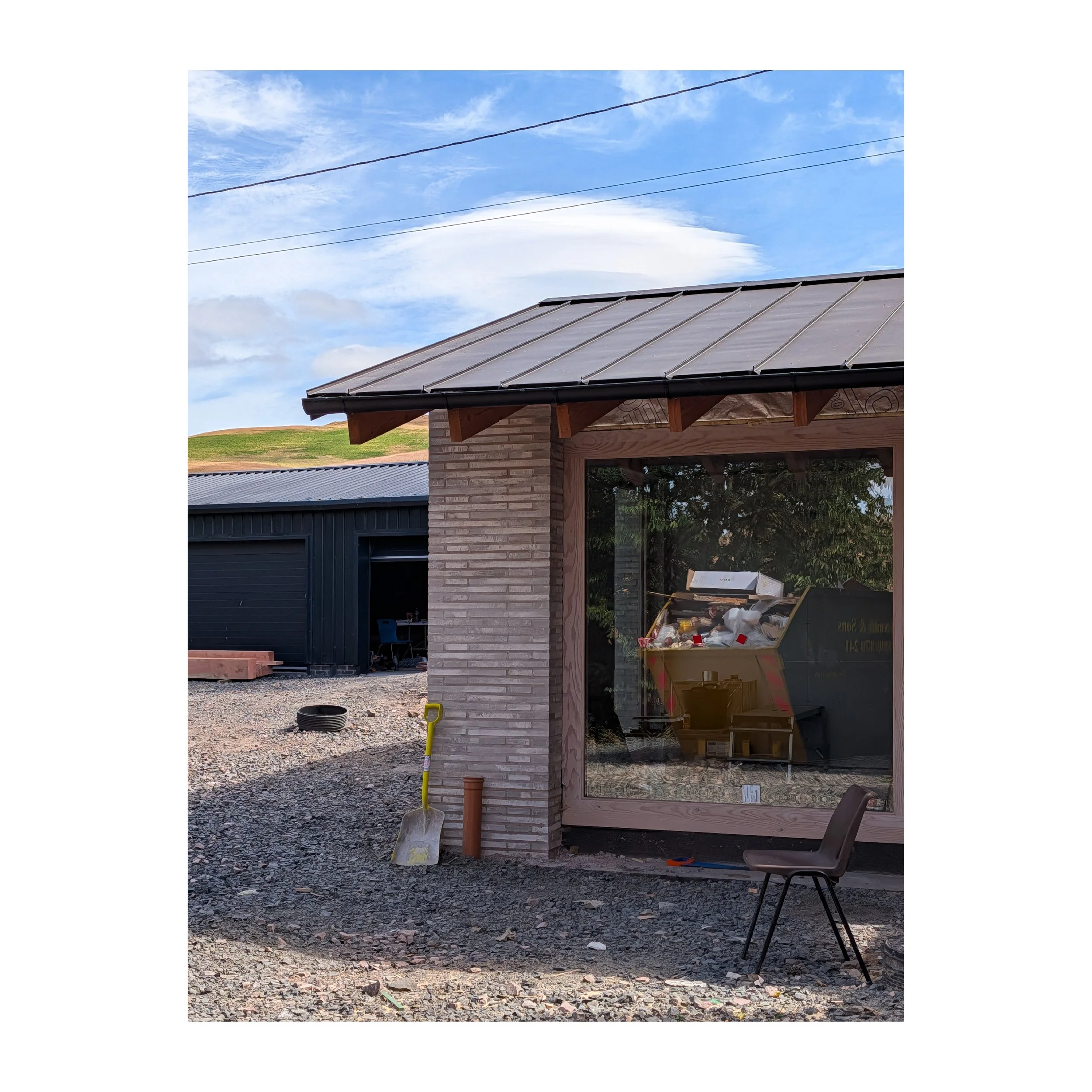
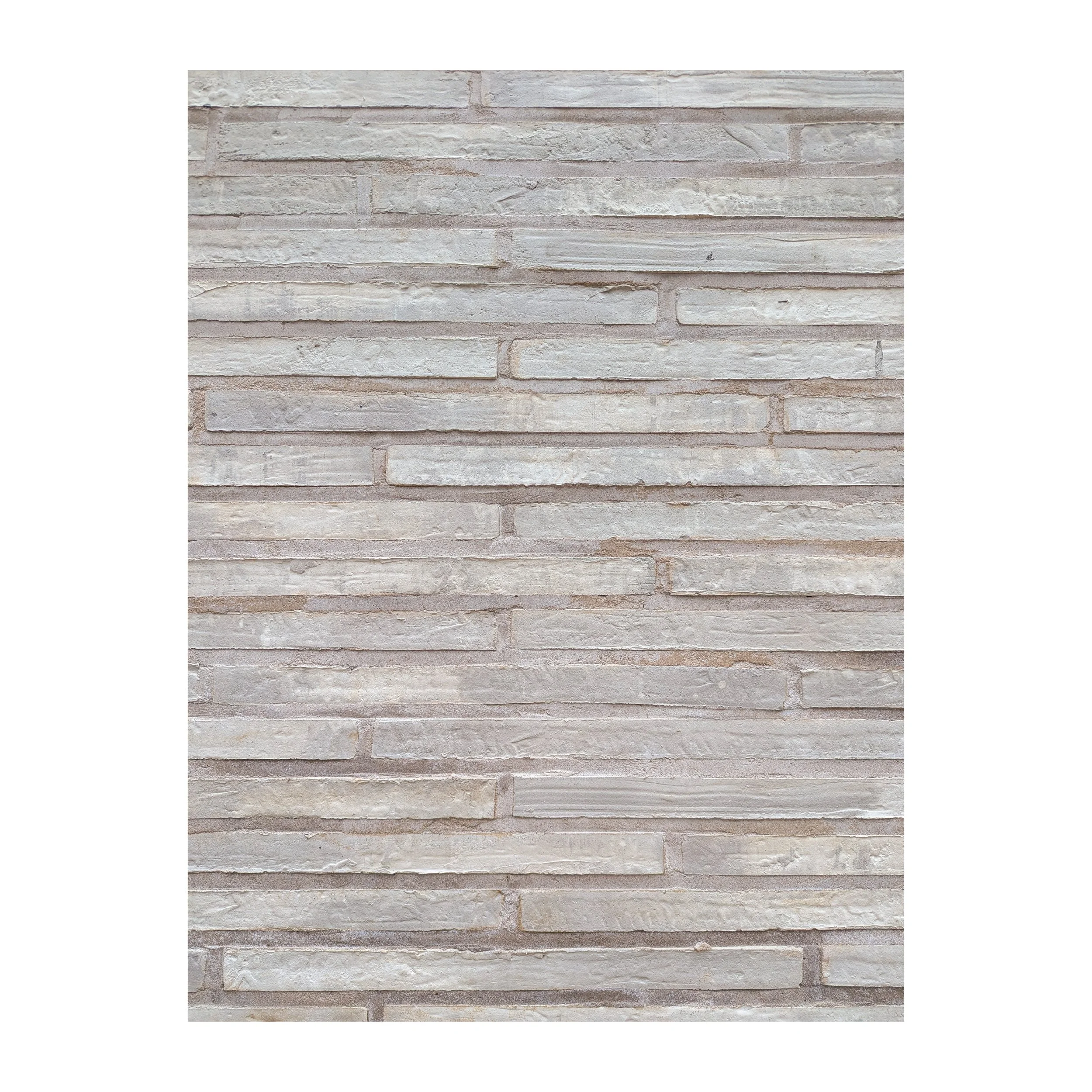
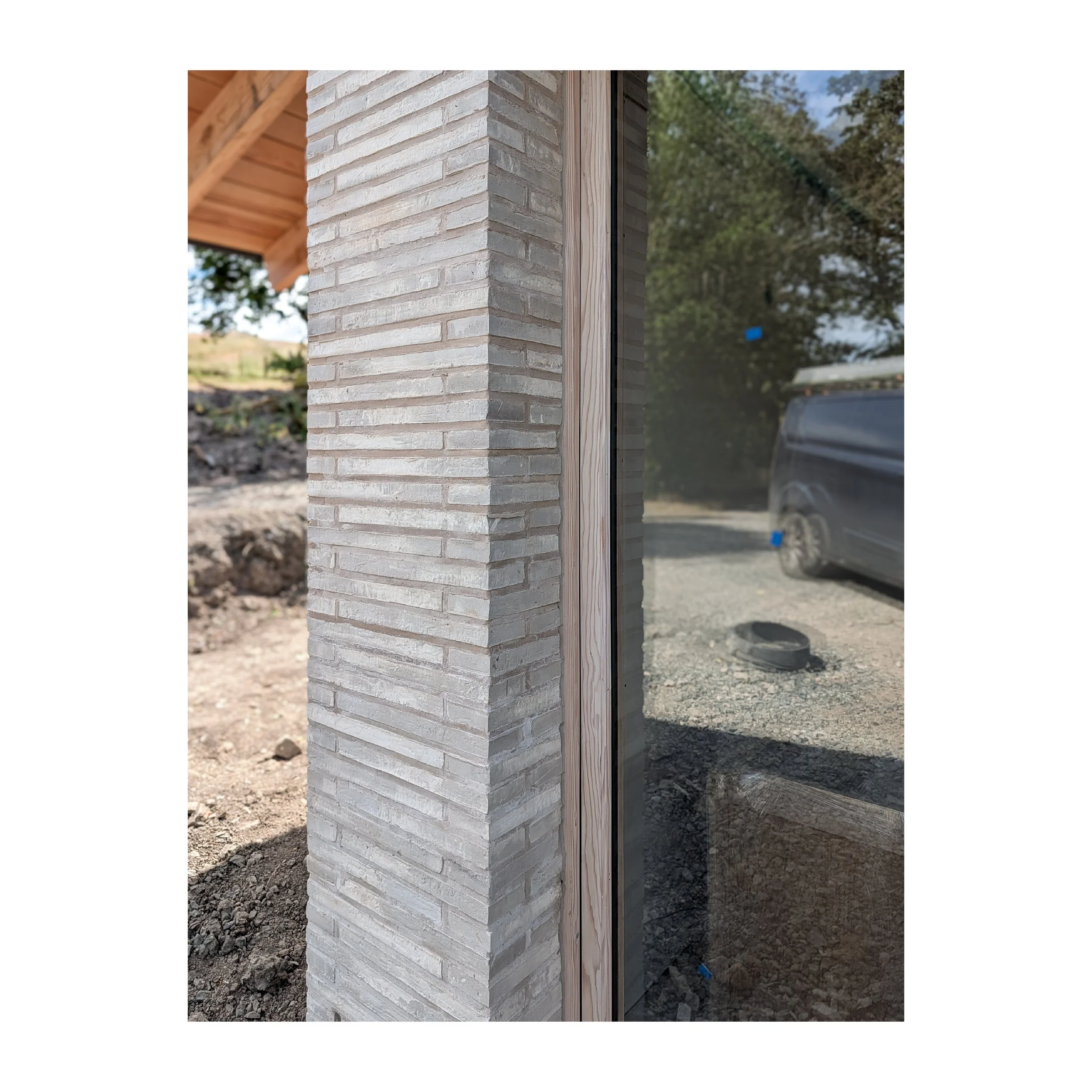
The same attention applies to contemporary additions. Long-format pale brickwork, flush mortar joints, Douglas fir frames and exposed eaves create a very different architectural language, but one still grounded in the texture, depth and physical character of the materials themselves. Junctions between brick, timber, glass and metal are kept direct so that each material can be read clearly.
Samples and drawings establish the intent, but many of these decisions are refined at full scale. Seeing a mortar colour across a wall, the tooling on a newly cut stone, or the grain of timber beside finished masonry allows small adjustments to be made before they become part of the completed building.
These moments of making are a useful reminder that architecture is ultimately delivered through materials, tools and skilled hands.